
How to choose your balustrade infill
The infill shapes both the style and a good part of the price — here's how to decide between the three most common options.
Once the balustrade’s location is settled (terrace, balcony or indoor), the next question is almost always the same: which infill to choose? It’s the choice with the biggest visual impact — and a good part of the budget depends directly on it. See our infill and patterns page for the full price grid.
Straight balusters: the affordable base
Straight balusters — regular vertical uprights, no pattern — are the simplest and cheapest infill (€250 – €350 / lm). It’s a sound choice when function matters more than ornament, or for a discreet balustrade that shouldn’t visually compete with the rest of the facade.
One often-overlooked point: even straight balusters must meet the maximum 11 cm gap required by the NF P01-012 standard between two uprights.
Wrought iron scrollwork: the most decorative register
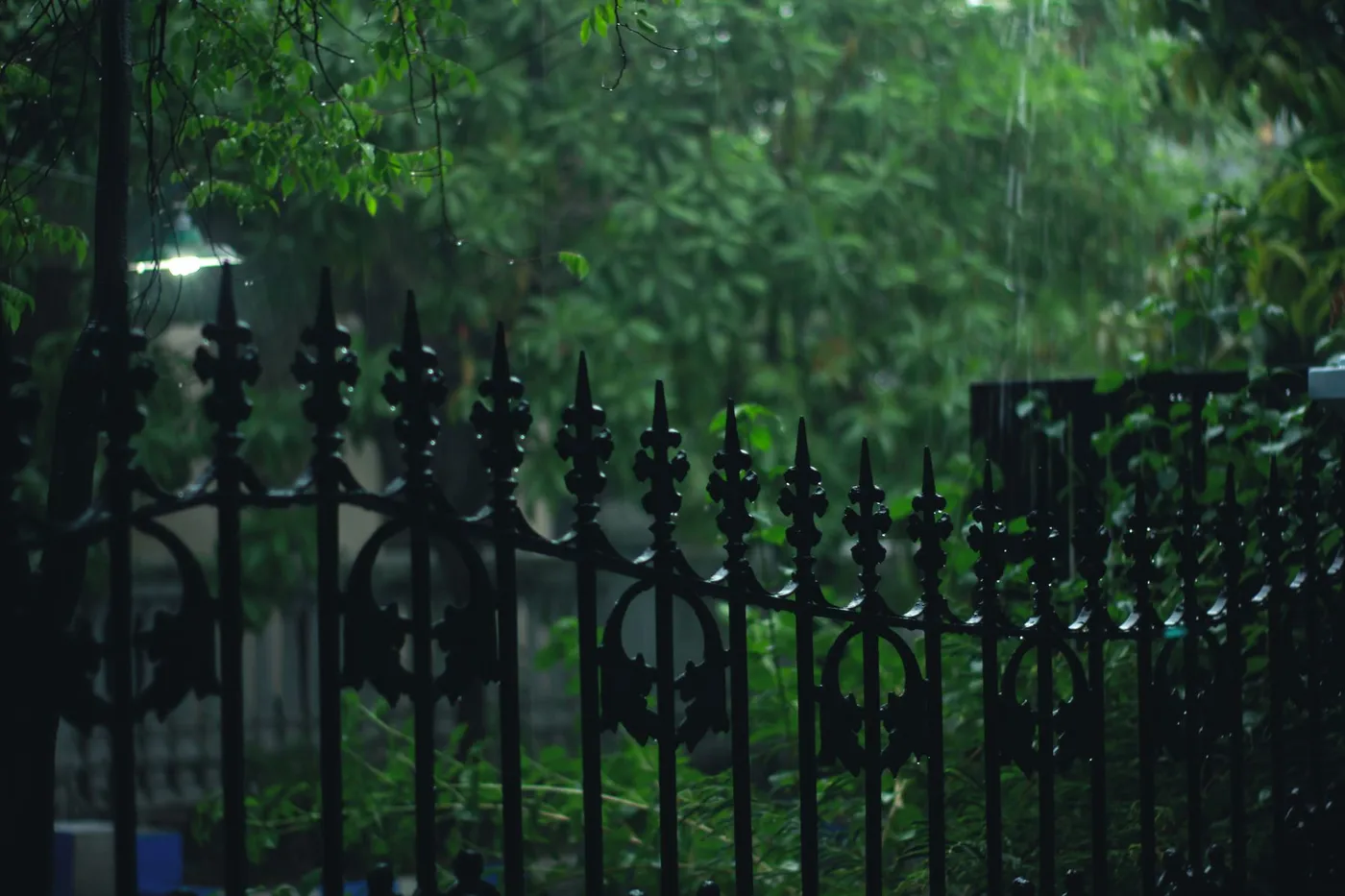
Scrollwork — coiled patterns, hot-worked by the workshop — is the most ornate and most expensive infill (€450 – €650 / lm). It’s the choice that most clearly sets a balustrade apart from a purely functional guard-rail, particularly well suited to a period facade or a project where the decorative look is the priority.
A real point of caution: the 11 cm gap applies at any point in the pattern, not just between two straight balusters. A very open scrollwork pattern can exceed this threshold without it being obvious — which is why the workshop always checks the design’s compliance before starting fabrication.
Panels (sheet metal, cables, glass): the contemporary register
Panels — perforated sheet metal, tensioned cables or safety glass paired with a wrought iron structure — offer a contemporary, sober look for a mid-range budget (€350 – €550 / lm). This infill needs little upkeep and suits recent architecture particularly well, where an overly ornate register would clash with the rest of the building.
Can several infills be mixed?
Yes — for example scrollwork on the upper section and straight balusters below, or a handrail-only piece combined with wooden uprights for an indoor balustrade. These combinations are worked out at the quote stage and affect the final price, but nothing stops you customising an infill rather than picking a single category.
The right approach before deciding
The infill is chosen based on three criteria: the budget available, the style of the existing building (an overly ornate balustrade can clash on a very contemporary facade, and vice versa), and the location — a terrace balustrade exposed to weather needs a reinforced finish whatever the infill chosen.
If in doubt, request a quote describing your project: the partner workshop can help guide the choice based on your exact measurements and budget, free and with no obligation.